Diferencias entre CBD y THC

Differences between CBD and THC

CogolloCBD
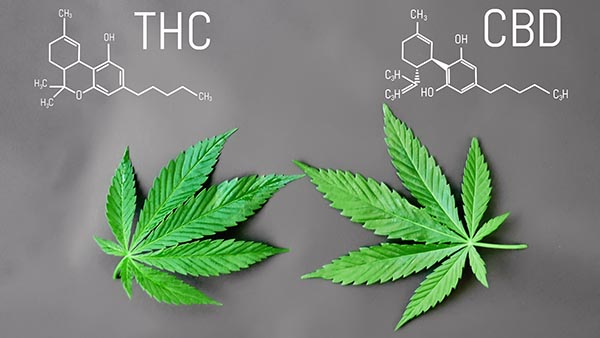
Differences between CBD and THC

Cannabis is one of the most studied plants worldwide due to its broad properties. The two main active components of the plant are cannabidiol (CBD) and delta-9-tetrahydrocannabinol (THC). Both have effects on the human body, but they differ in terms of their effects, potency, and use. In this article, we will analyze the differences between CBD and THC, and the reasons why they are so different.

What is CBD?


Cannabidiol (CBD) is one of the main non-psychoactive components of the cannabis plant. It is one of more than 100 cannabinoids found in the plant and is used for a variety of purposes. Although CBD has no psychoactive effects, it is believed to have a number of therapeutic effects on the human body, including anti-inflammatory, analgesic, anxiolytic, and antipsychotic properties.


CBD acts on the human body's endocannabinoid system, which is a complex cell signaling system that regulates a variety of physiological processes. The endocannabinoid system's receptors are found throughout the body, but primarily in the brain and central nervous system.


CBD use has been studied for a variety of medical conditions, including epilepsy, chronic pain, anxiety, schizophrenia, autism, and Alzheimer's disease. A recent study published in the journal Frontiers in Pharmacology found that CBD may have neuroprotective effects in the brain and may be useful in the treatment of Alzheimer's disease.


What is THC?


Delta-9-tetrahydrocannabinol (THC) is one of the main psychoactive components of the cannabis plant. It is responsible for the psychoactive effects, including the feeling of euphoria and relaxation experienced after smoking or ingesting the plant. THC acts on the cannabinoid receptors in the brain and central nervous system, and produces effects similar to those of anandamide, a natural neurotransmitter produced by the human body.


Differences between CBD and THC


CBD and THC are two different compounds found in the cannabis plant. Although both have therapeutic effects on the human body, they differ in terms of their effects, potency, and use. Below are some of the key differences between CBD and THC:


Psychoactive effects


The main difference between CBD and THC is their psychoactive effect on the human body. THC is responsible for psychoactive effects, such as euphoria and relaxation, while CBD has no psychoactive effects. This means that CBD does not make you feel "high" or "stoned."


Legality


The legality of CBD and THC varies by country and state. In the United States, CBD is considered legal if it is derived from hemp and contains less than 0.2% THC. THC, on the other hand, remains a controlled substance in some countries where it is not 100% legal and is only legal in some countries for medicinal or recreational use.


Potency


THC is generally more potent than CBD, which means less is needed to produce effects in the human body. CBD, on the other hand, is less potent and a larger amount is needed to produce therapeutic effects.


Therapeutic effects


Both CBD and THC have therapeutic effects on the human body, but they differ in the amount and type of effects. CBD is mainly used to treat anxiety, depression, inflammation, and pain, while THC is used to treat chronic pain, multiple sclerosis, glaucoma, and nausea and vomiting associated with chemotherapy.


Side Effects


THC can have undesirable side effects, such as paranoia, anxiety, and psychosis, especially in people who are sensitive to its psychoactive effects. CBD, on the other hand, is considered safe and generally has no significant side effects.


Interaction with other medications


Both CBD and THC can interact with other medications a person is taking. CBD can interact with certain prescription drugs, such as antidepressants and antipsychotics, while THC can interact with blood thinners and antidepressants.


Scientific studies on CBD and THC


Since the 1960s, numerous studies have been conducted on cannabinoids and their effects on the human body. Below are some recent studies on CBD and THC:


Study on CBD and anxiety


A study published in the journal Neurotherapeutics found that CBD may be helpful in the treatment of anxiety and related disorders. The researchers concluded that CBD has anxiolytic and antipsychotic effects, and can reduce symptoms of anxiety in patients with anxiety disorders.


Study on THC and pain


A study published in the journal Anesthesiology found that THC can be effective in treating chronic pain in patients with multiple sclerosis. Researchers concluded that THC significantly reduced pain in patients and improved their quality of life.


Study on CBD and inflammation


A study published in the journal Future Medicinal Chemistry found that CBD can be helpful in treating chronic inflammation and autoimmune diseases. Researchers concluded that CBD has anti-inflammatory properties and can reduce inflammation in the human body.


Study on THC and multiple sclerosis


A study published in the journal Multiple Sclerosis found that THC can be effective in treating spasticity in patients with multiple sclerosis. Researchers concluded that THC significantly reduced spasticity in patients and improved their quality of life.


Study on CBD and chronic pain


A study published in the journal Cannabis and Cannabinoid Research found that CBD can be effective in treating chronic pain in patients with pain-related diseases. Researchers concluded that CBD significantly reduced pain in patients and improved their quality of life.


Study on THC and anxiety


A study published in the Journal of Psychopharmacology found that THC can have anxiolytic effects in patients with anxiety disorders. Researchers concluded that THC can reduce anxiety symptoms in some patients, but may have undesirable side effects in others.


Study on CBD and epilepsy


A study published in the New England Journal of Medicine found that CBD may be effective in treating epilepsy in children with Lennox-Gastaut syndrome and Dravet syndrome. Researchers concluded that CBD significantly reduced the frequency of seizures in children and improved their quality of life.


Conclusion


In summary, CBD and THC are two different cannabinoids that have different effects on the human body. THC is responsible for psychoactive effects and is used to treat chronic pain, multiple sclerosis, glaucoma, and chemotherapy-related nausea and vomiting. CBD has no psychoactive effects and is primarily used to treat anxiety, depression, inflammation, and pain.


Although both cannabinoids have therapeutic effects on the human body, it is important to note that they can have side effects and may interact with other medications a person is taking. It is important to talk to a doctor before starting to use any product containing CBD or THC.


Additionally, it is important to remember that the legality of CBD and THC varies by country and state. Before using any product containing CBD or THC, it is important to check its legality in your area.


Disclaimer: The information provided in this article is for informational purposes only and should not be considered medical advice. It is important to talk to a doctor before starting to use any product containing CBD or THC.

Did you like this article?

Subscribe to our newsletter and receive exclusive CBD content directly in your email

First time with CBD?

Discover our beginner's guide

See Quick Start Guide