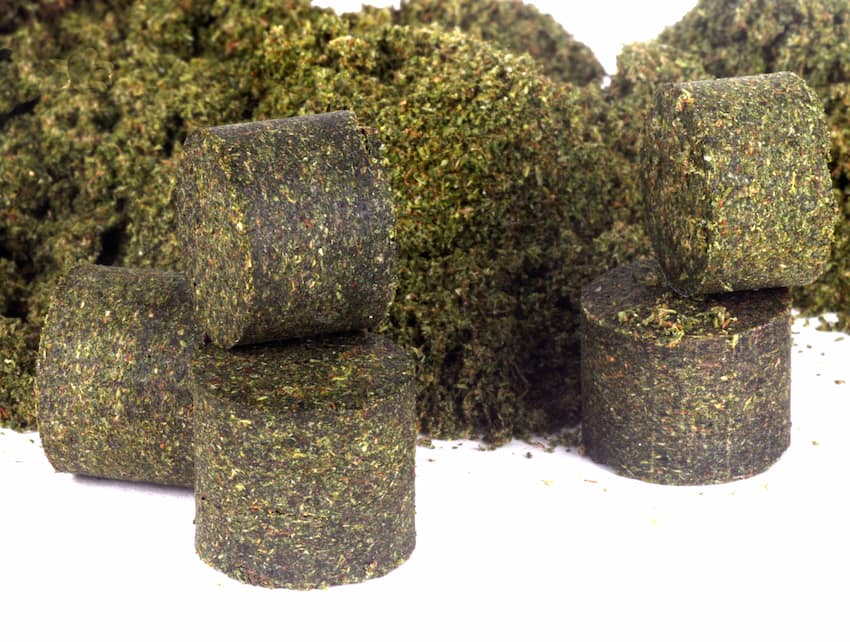
¿Cuántos tipos de hachís existen? 7 variedades que debes conocer

How many types of hashish are there? 7 varieties you should know

cogollocbd.es
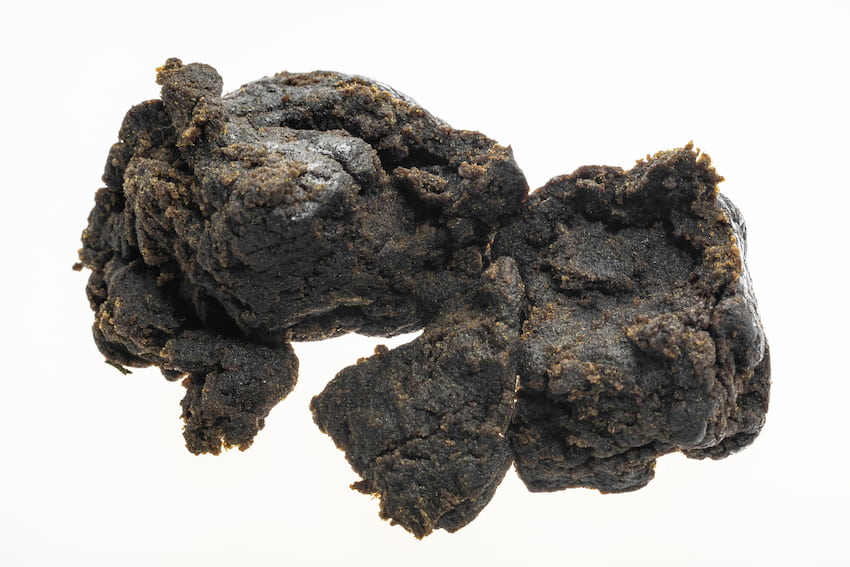
Types of Hashish


Just as there are different varieties of hemp, there are also different types of hashish. And yes, the specific strain used to produce it is one of the criteria for distinguishing between one type and another, but it is by no means the only one. 

Do you know how many types of hashish exist? And most importantly, do you know how they differ? In this article, we'll tell you everything.


Let's get to it!


➡️ Why we talk about different types of hashish

It is a product that is obtained from the resin and sap of the cannabis plant. And although it seems like a very simple product, depending on how it's made, hashish looks, smells, tastes, and feels different.

Types of hashish can be classified according to different criteria:

  • According to the hemp plant used to produce it, i.e., sativa or indica. If sativa plants are used, the effect of the hashish tends to be more mental (fostering creativity) and lighter. In contrast, if indica plants were used, the effect will be sedative and much more potent.
  • According to its production method. It is also common to classify hashish according to the method used to produce it. Whether handmade, dry-sifted, etc.

However, the most common criterion for classifying types of hashish is that of the region of origin.

And this is the criterion we will use in this article.


CLARIFICATION: In this article, we will also discuss some types of pollen, as pollen is hashish produced from the purest hemp resin.


✅ 1. Moroccan Hashish

Hashish from Morocco is considered by many to be the best in the world.

And although we refer to it as a single type, there are actually three varieties of Moroccan hashish:

  • Blonde Hashish: also called “blonde pollen,” it is the mildest and most economical.
  • Red Hashish: has a more potent effect and is extracted from purple hemp.
  • Hardala: is a relatively new hashish, from the village of Ketama and is considered the best in the region for its potent and long-lasting effects. It is shiny black or yellow in color.


The most popular technique applied in this area to make hashish is sieving: the plant is passed through a very fine sieve, and the resin is compressed until a sandy-textured ball is obtained that easily crumbles in the hands.


tipos de hachis marroqui

✅ 2. Afghan Hashish

This is the oldest variety of hashish.

It is made from indigenous indica plants from the region (such as Afghan Express) and the production process is very long and complex:

  • First, the buds are trimmed.
  • Then they are passed through several sieves.
  • The pollen obtained is dried in goatskins.
  • Finally, the pollen is kneaded for days, months, or even years.


This prolonged process is what gives the quality and potency to what is known as Royal Afghani, the type of hashish considered to be of the highest quality.


✅ 3. Pakistani Hashish

Pakistani hashish is also known as “Gardaa” and stands out for its dark chocolate-like brown color. It also has a very peculiar spicy taste.

Original Pakistani hashish has a high THC percentage that causes an almost instant sedative effect.


The dry sieving technique is also used for its production.


✅ 4. Indian Hashish

India produces the most unusual types of hashish:

  • Kashmir Pollen: is made in the Kashmir region from sativa plants. It is characterized by having an almost black color on the outside and light brown on the inside.
  • Manali Cream: shiny black in color, it is considered the best charas in the world due to its homogeneous texture, free of any trace of plant matter (something almost impossible to achieve and which reflects its delicate and rigorous preparation).


By the way, “charas” is the name given to hashish that is handmade in India and Pakistan.


✅ 5. Nepali Hashish

In addition to being one of the most mystical and spiritual places in the world, the Himalayan region is also home to one of the most coveted types of hashish: Nepalese balls (or "Nepal Temple Balls").

It is a hashish with very powerful effects, and causes hallucinations that not everyone can tolerate. 

Nepalese monks use it during their religious rituals. 


It has a soft texture and aromas with notes of fine herbs, and to optimize its effects, the balls are cured after kneading.


diferentes tipos de hachis

✅ 6. Dutch Hash

The Netherlands is the pioneer country in European hashish production. 

This type of hashish is made with Skunk varieties, from which the resin is extracted with a very fine sieve, and then compacted to achieve the desired product.

In its original version, it contains up to 60% pure THC (remember that THC is the substance that causes psychotropic effects, and therefore its consumption is illegal, unlike CBD).


It is characterized by a bitter taste and by producing a bit of smoke when lit.


✅ 7. Turkish Hash

This type of hashish is also quite potent, but that is not the reason for its fame.


Its main characteristic is that it is the sweetest and most aromatic of all, with notes of cinnamon and spices that linger on the tongue and nose after smoking it.


➡️ Do you already know what type of hashish interests you?

You've seen that each region has distinct traditions, and that throughout their history, they have made their hashish using the native plants available to them, the tools they had, and according to their particular culture.

So each type of hashish represents a different cultural experience.

But be careful, as we mentioned above, the consumption of any hashish containing THC (and which therefore produces psychotropic effects) is prohibited by law.

If you want to enjoy 100% legal hashish, you can find different varieties in our CBD hashish catalog. If you have any questions, you can leave them here in the comments. We would love to hear from you.


Be CBD, my friend.

Did you like this article?

Subscribe to our newsletter and receive exclusive CBD content directly in your email

First time with CBD?

Discover our beginner's guide

See Quick Start Guide