Tricomas de cannabis: qué son y cómo usarlos

Cannabis trichomes: what they are and how to use them

cogollocbd.es
What are Trichomes and what are they for?


Do you want to improve your growing skills and get better quality harvests? Then you need to know everything about cannabis trichomes. 

They are a fundamental part of the hemp plant, in fact, without trichomes there are no cannabinoids, no CBD, nothing. That's why, in this article, we tell you:

  • What cannabis trichomes are and what function they serve.
  • How to use them to know when to harvest your buds.
  • Tips for your hemp to produce more trichomes.

Let's get to it. 


➡️ What are cannabis trichomes and what are they for?

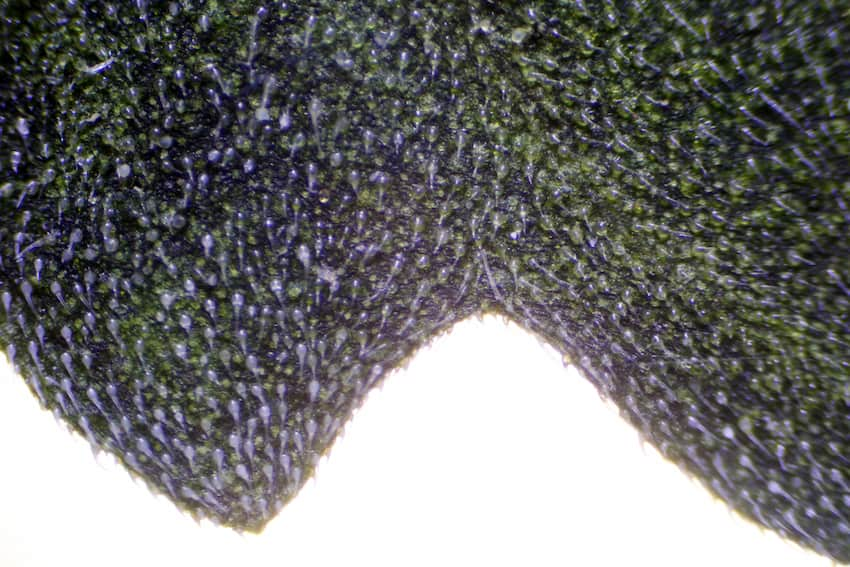
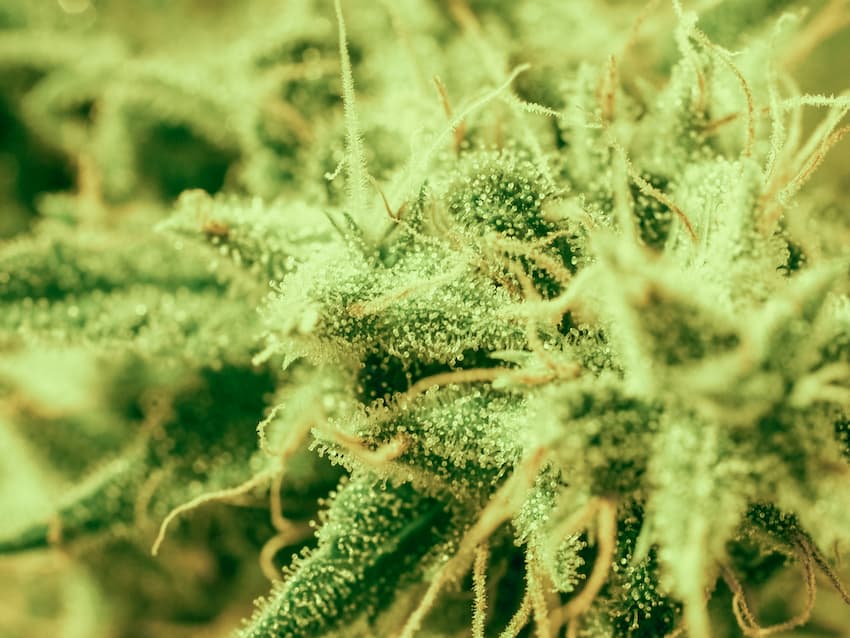
If you're one of those people who prefer to cultivate, then this probably sounds familiar to you. Trichomes are small growths (very similar to hairs) that cover the plant, especially the leaves and buds. 

Be careful! Don't confuse them with pistils. Trichomes are much smaller. They measure approximately 50-100 microns wide (1 millimeter equals 1000 microns, they are that tiny).


On the cannabis plant, these trichomes look like small fungi, or mushroom heads.


✅ But what are these trichomes for?

The function of these hairs is to help the cannabis plant survive.

How?:

  • Creating a defensive barrier against insects and fungi.
  • Protecting the plant against strong winds and adverse weather conditions.
  • Blocking the sun and ultraviolet radiation from burning the leaves.

But let's get to what interests us most: trichomes are tiny cannabinoid factories, including CBD, which is the cannabinoid with non-psychotropic therapeutic properties.

That's why they are the essential element for making all kinds of concentrates and hemp-derived products (here you can see how to make hash using these trichomes, or how to make homemade CBD oil). 


And, as these glands develop alongside the buds, they also tell us when it's the ideal time to harvest.


✅ 3 ways to observe the trichomes on your buds

Since they are so tiny, to see them you will definitely need one of these tools:

  • Macro lenses: if you have a professional camera (although your mobile camera will also work), you can purchase a macro lens. This accessory attaches to the device and will allow you to take very close-up photos of your plant. This way you can clearly see the trichomes. 
  • Jeweler's loupe: jewelers use these magnifiers to assess the quality of the stones they hold, and they work very well for viewing trichomes up close. Some even have a built-in light.
  • Microscope: the most reliable and simple option (though also the one requiring a greater investment). There are digital microscopes that allow you to take photographs and connect via USB to your computer to collect images of your plant's trichomes, and that allow you to meticulously track the evolution of your crop. 


Any of these tools is a good option for observing your trichomes. It will all depend on your budget and which you consider most comfortable or convenient for you.


➡️ How to tell if your buds are ready for harvest based on the appearance of the trichomes

These trichomes appear on the plant from a young age, but only in very small quantities. As the plant matures, and especially during the flowering period, these trichomes increase considerably and can be seen better, even with the naked eye. 


If you observe your plant closely during its development, you will see how they change:


✅ 1. Translucent trichomes

Right after they appear, trichomes are transparent. 

This appearance remains throughout the first part of flowering, and they are a clear indication that the plant still needs to mature and is not ready for harvest


In other words, the small cannabinoid factory is still in the production process and needs some time.


✅ 2. White or milky trichomes

When trichomes turn opaque white or cloudy, it's a sign that the buds have reached their peak cannabinoid levels.

Buds harvested during this period have a much stronger effect.

That means that:

  • In CBD plants, this is the point where their therapeutic properties (anti-inflammatory, antiemetic, etc.) are most potent.
  • Meanwhile, in cannabis plants loaded with THC, this is when they have the greatest psychotropic effects (although, as you know, it is precisely for this reason that the cultivation of this variety of plants is illegal).


This phase lasts approximately two weeks.


✅ 3. Amber trichomes

As the flowering stage ends, the trichomes turn amber.

At this stage, THC degrades and turns into CBN (cannabinol, another cannabinoid, but with a more relaxing effect). This means that the effects produced by the buds become mixed (not as energetic, but more relaxing).

At this stage, the aroma emitted by the bud is also a little milder.


✅ 4. Mixed trichomes

After a couple of weeks of remaining whitish, the trichomes change their chemical composition again and, therefore, change color. As they transition to the amber stage, there is a short period of time when the trichomes are mixed: half white, half amber.


This is many growers' preferred time to harvest buds, as the plant's chemicals are in perfect balance. 


✅ 5. Brown trichomes

When most of the trichomes (more than 80%) turn brown, the plant is past its prime

Does this mean it's spoiled?

No, it means that the cannabinoids have degraded and oxidized, and therefore the buds will have a much milder scent and a much less potent effect. 


You can still harvest your buds, but they probably won't have the aroma or effect you were expecting.


➡️ Tips for increasing trichome production

As we mentioned, trichomes are responsible for producing the plant's cannabinoids. This means that the more trichomes your buds have, the more potent their effects will be.

Fortunately, there's a way to influence this process (and increase the number of trichomes). ;)

The production of these glands is determined by light.

For outdoor crops, the climate and the amount of sunlight the plants receive will be crucial, although we can't influence this much.

For indoor crops, however, we can influence things in several ways: 

  • Using LED lights: these are typically used at maximum during the final stage of flowering, at a distance of about 30 cm from the plant. 
  • Using UVB lights: these are generally used for about 2 or 3 hours a day, during the last 2 or 3 weeks of the flowering stage. 


➡️ Did you know all this about cannabis trichomes?

Whether you've been cultivating for a while or are just starting out in the wonderful world of cannabis growing, we hope this information has helped you get even more out of your harvests.

However, we know that for some people it can be tedious to keep such close track of their plants. And above all, you might not want to invest in expensive tools like microscopes or magnifiers to inspect the trichomes.

If this is your case, don't worry. Fortunately, you don't need to grow your own CBD to enjoy it. Just take a look at our catalog, choose the bud you want, and that's it!


We always make sure to have products with ideal trichome production to fully enjoy these flowers. If you have any questions, you know you can leave them here in the comments.


Be CBD, my friend.

Did you like this article?

Subscribe to our newsletter and receive exclusive CBD content directly in your email

First time with CBD?

Discover our beginner's guide

See Quick Start Guide